Dayton Nodig Sewer
Tree Root Removal for Sewer Lines in Dayton, OH
Tree root removal for sewer lines in Dayton, OH clears intrusion and seals the joint to stop regrowth. Camera-verified, free estimates available.
- 15+ Years local experience
- 500+ Projects completed
- Licensed & Insured
Serving Dayton and nearby communities.
Dayton's older neighborhoods have a lot of mature street trees, and those root systems are patient. Once a clay or Orangeburg joint develops even a small crack, roots find their way in and keep growing, eventually choking off flow through the pipe. Tree root removal clears that growth and, when needed, seals the joint so the roots don't just come back next season.
Dayton Nodig Sewer cuts the roots mechanically rather than relying only on chemical treatment, which clears the blockage fully instead of just slowing it down. Where the joint itself is cracked, we recommend a spot liner afterward to close the entry point for good.
What's included
What's Included with Tree Root Removal
Typically included: camera inspection to confirm root intrusion, mechanical root cutting, debris flushing, follow-up condition check.
Optional: root-inhibiting treatment, spot lining of the cracked joint to prevent regrowth.
Customer prep: let us know the location of any large trees near your sewer line path, it helps narrow down where the intrusion is likely to be.
Want a clearer scope?
Get a Free EstimateHow it works
How Our Tree Root Removal Process Works
 Step 1
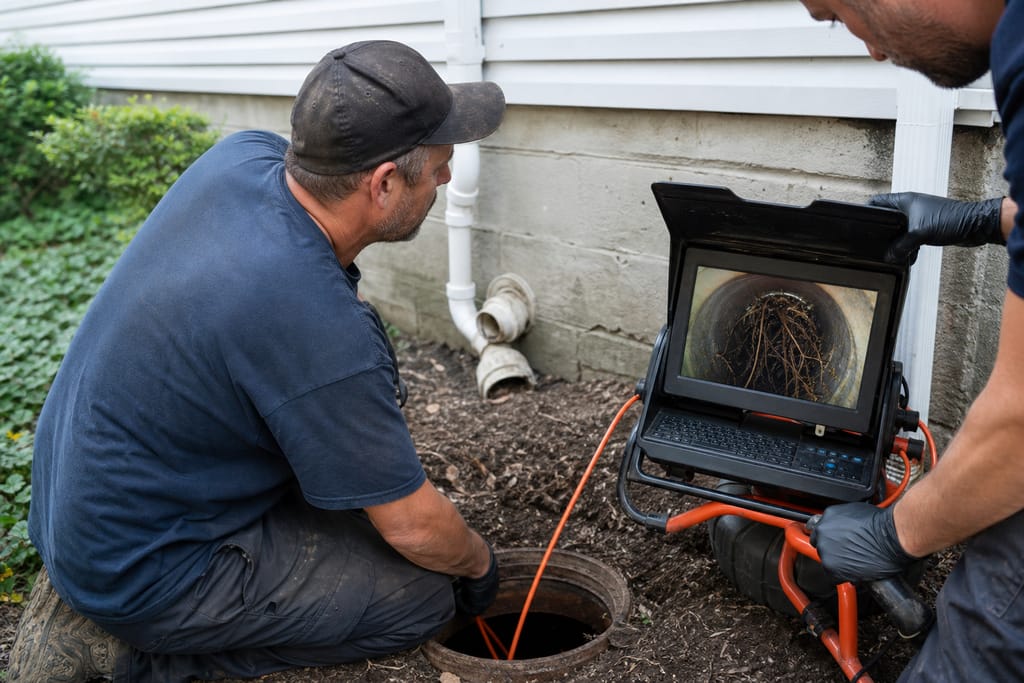
Root Intrusion Inspection
A camera confirms the presence and extent of root growth in the pipe.
 Step 2
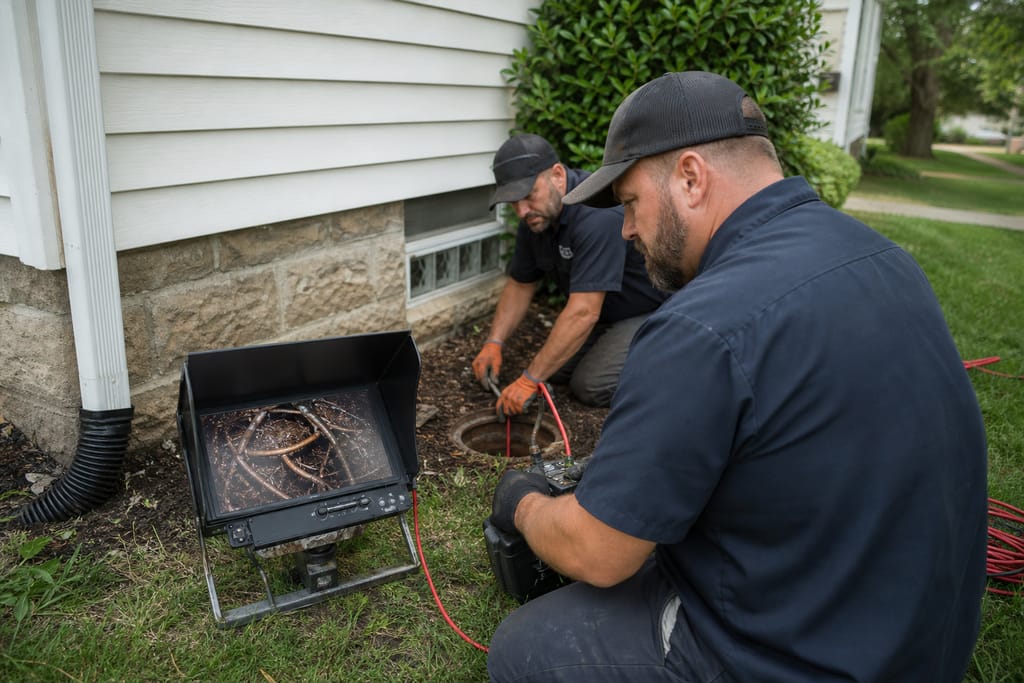
Cutting Plan
Root density and pipe condition determine the best cutting method.
 Step 3
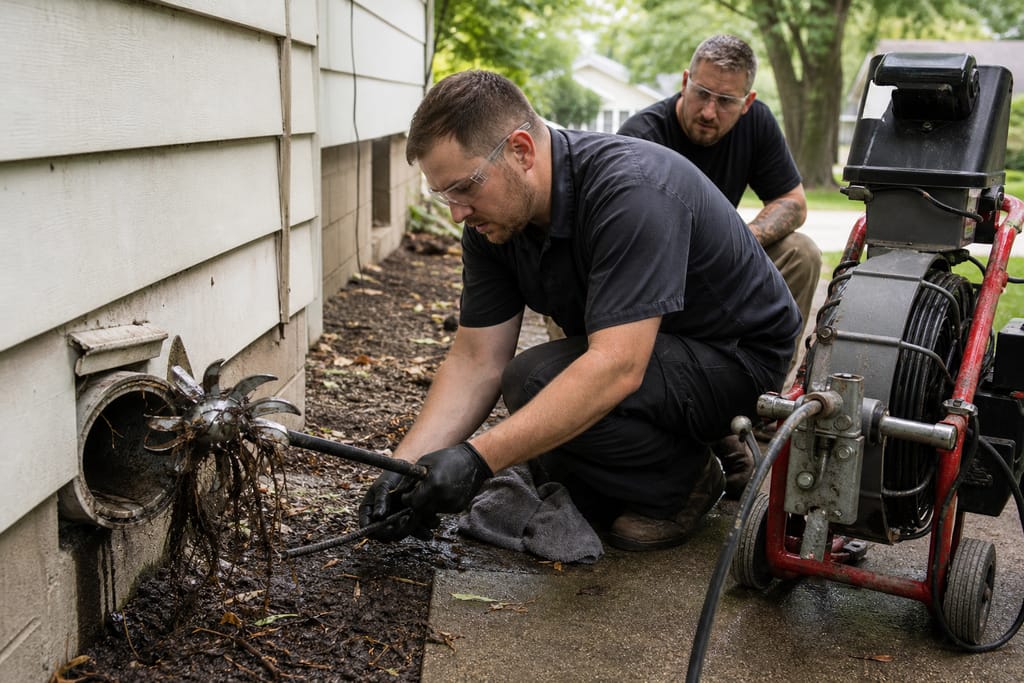
Mechanical Root Cutting
Rotating blades or cutting heads clear the obstruction.
 Step 4
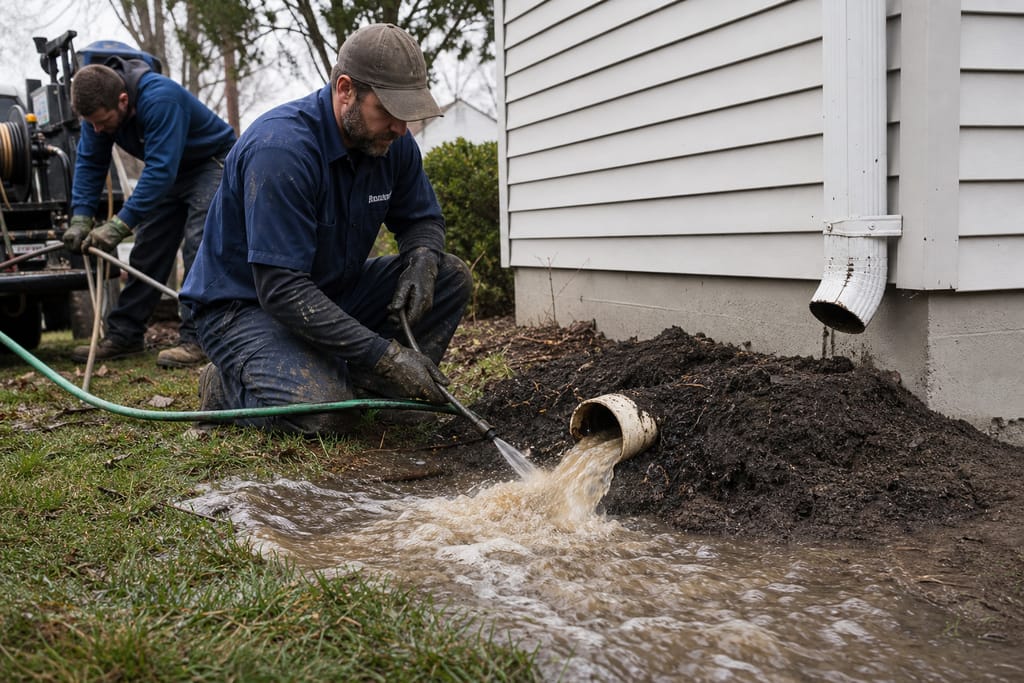
Debris Flushing
Water jetting removes cut root material from the line.
 Step 5
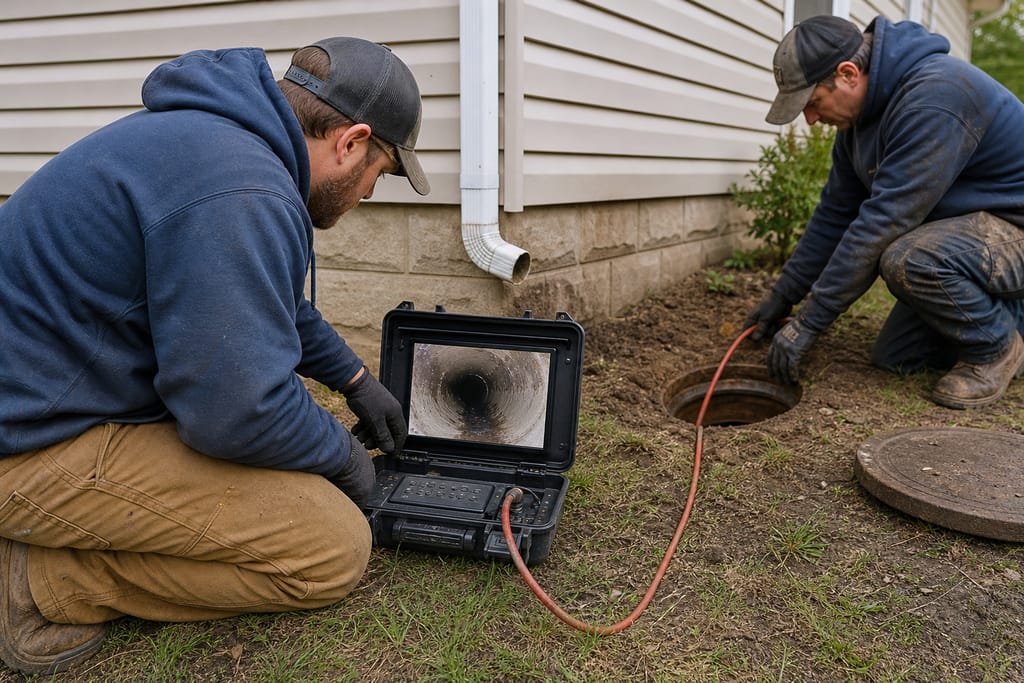
Pipe Condition Check
The pipe is re-inspected for any damage the roots caused.
 Step 6
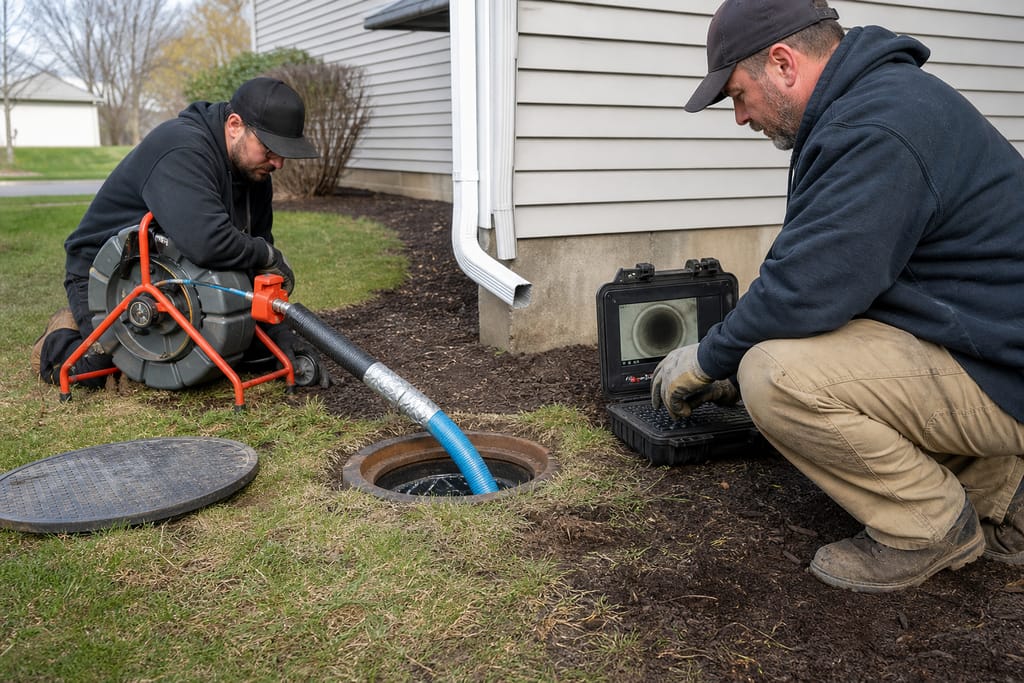
Prevention Recommendation
Lining is recommended where the joint needs sealing to stop regrowth.
Materials
Materials and Methods for Tree Root Removal
Cutting the roots out is only half the job if the crack that let them in stays open, so these methods focus on both.
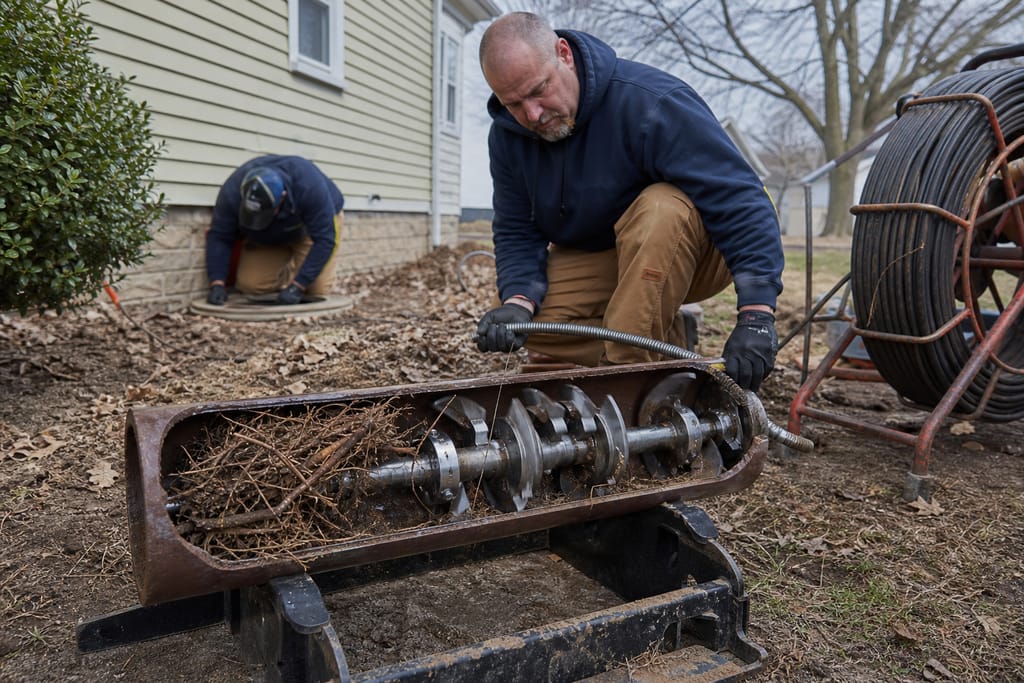
Root Cutting Blades
Sharp rotating blades slice through root masses without damaging the pipe wall underneath.
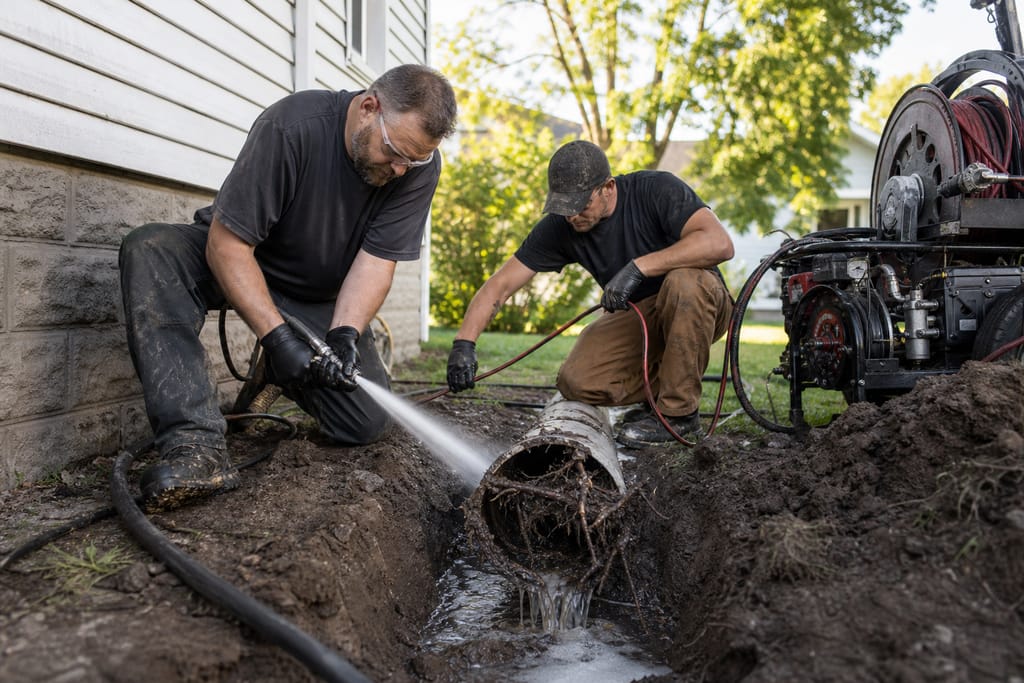
Hydro Jetting Equipment
High-pressure water clears remaining root debris after cutting so flow is fully restored.
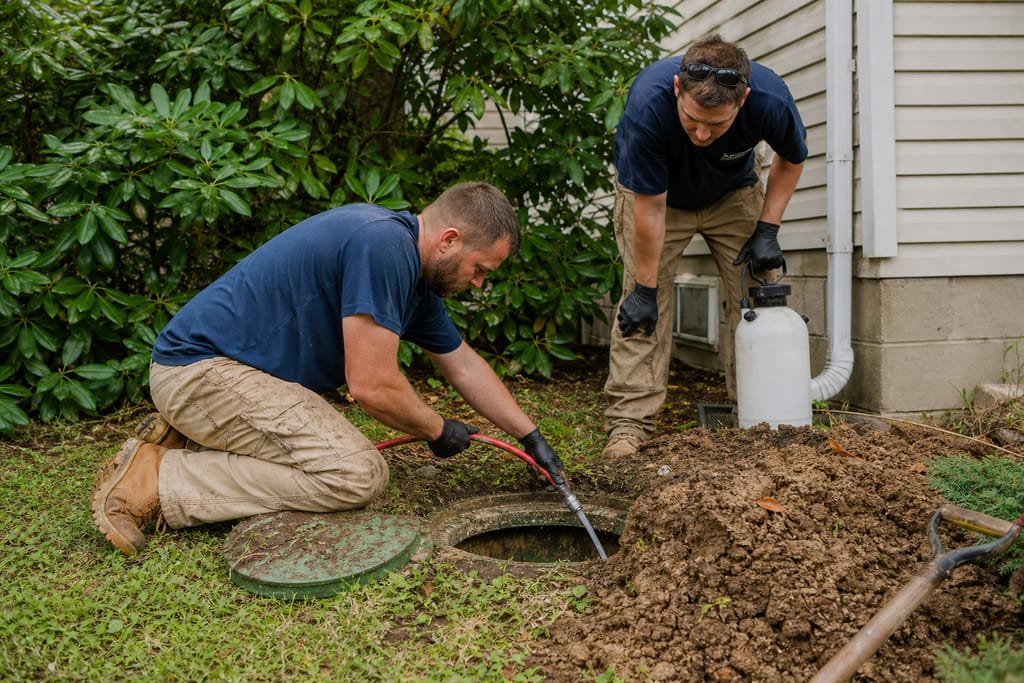
Root-Inhibiting Treatments
Chemical treatments slow future root growth, a useful add-on after cutting but not a standalone fix for a cracked joint.
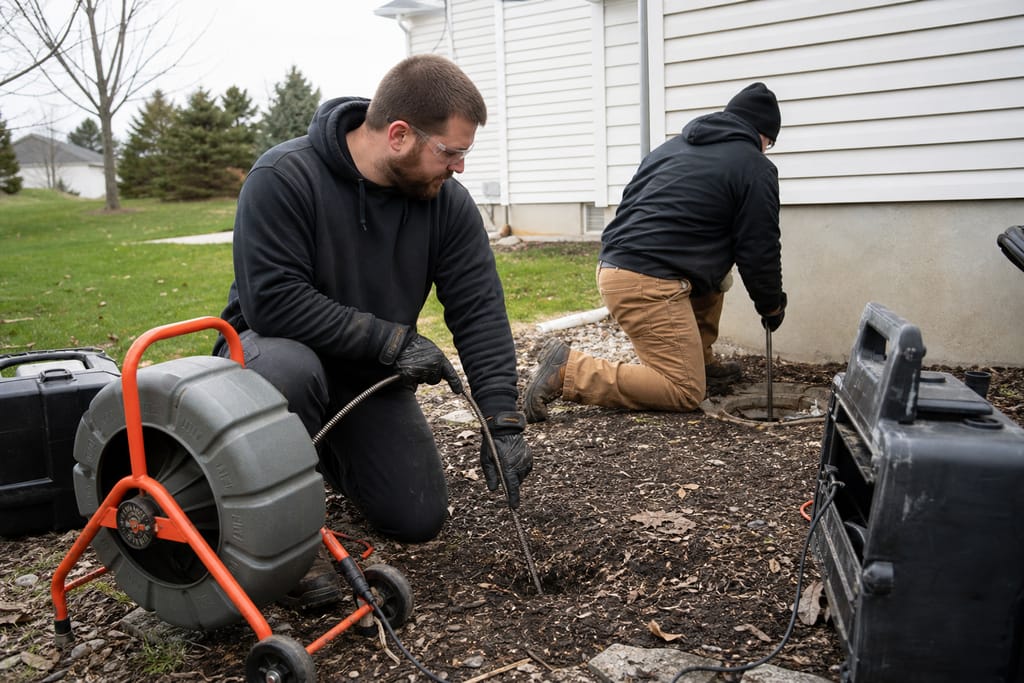
Flexible Cutting Cables
Cables guide the cutting head around bends to reach root-blocked sections deeper in the line.
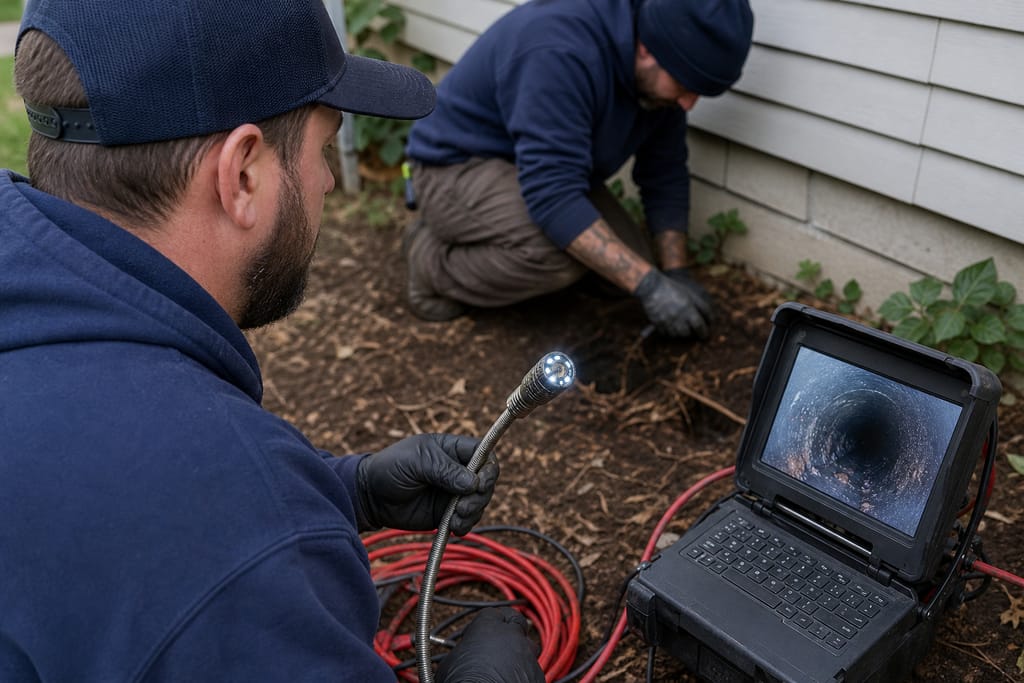
Inspection Camera Tools
Cameras confirm the roots are fully cleared and check for any pipe damage left behind.
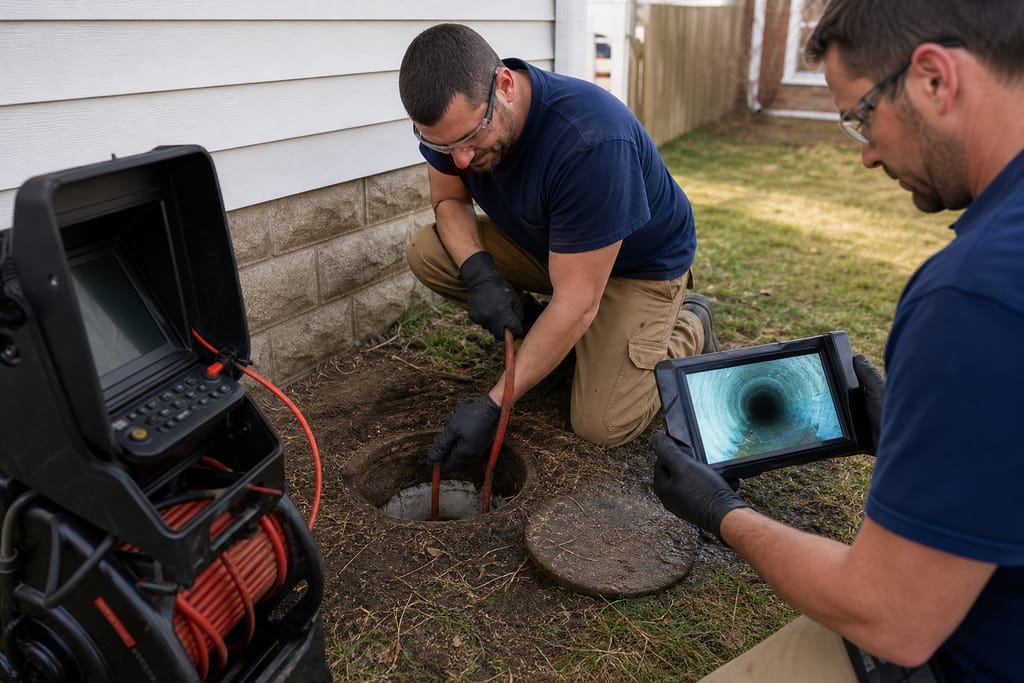
Protective Pipe Coatings
Coatings add a barrier at the repair site that helps resist future root intrusion at that joint.
Questions on materials?
Get a Free EstimateTimeline
How long does a Tree Root Removal take?
- 01
Stage 1
Cutting is usually quick; adding a liner afterward extends the visit slightly.
- 02
Camera inspection
under an hour.
- 03
Root cutting
one to two hours depending on severity.
- 04
Debris flush
same visit.
Need a schedule that fits?
Get a Free EstimateFAQs
Tree Root Removal FAQs
How do I know if tree roots are in my sewer line versus a clog?
Root intrusion tends to cause recurring slow drains at the same spot over months, while a clog is usually a sudden, single blockage. Camera footage confirms which one you're dealing with.
Will roots grow back after cutting?
They can if the crack that let them in stays open. Sealing the joint with a spot liner after cutting is the way to stop regrowth for good.
How often do freeze-thaw cycles crack sewer lines in Ohio?
Ohio's seasonal freeze and thaw puts steady pressure on old pipe joints year after year, which is part of why root intrusion keeps showing up at the same weak spots in older clay lines.
Can root killer chemicals fix the problem on their own?
They can slow regrowth temporarily but don't address the cracked joint that let roots in. Mechanical cutting plus a sealed liner is the more lasting fix.
What affects the cost of tree root removal?
The severity of the intrusion, how many joints are affected, and whether lining is added to prevent regrowth.
Before & after
Before and After Tree Root Removal
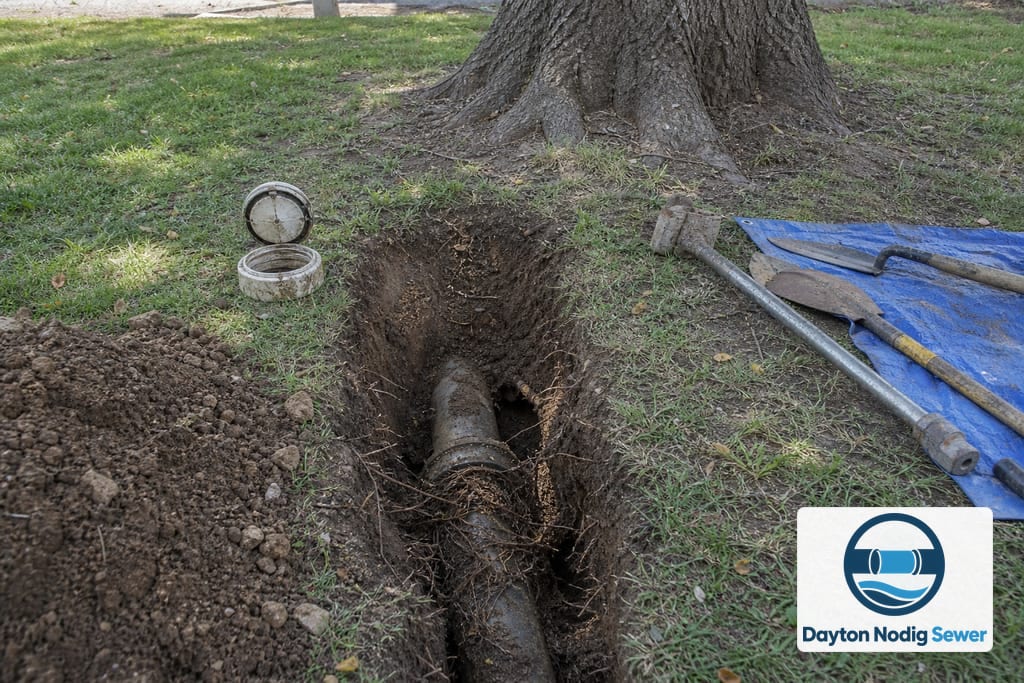
Before 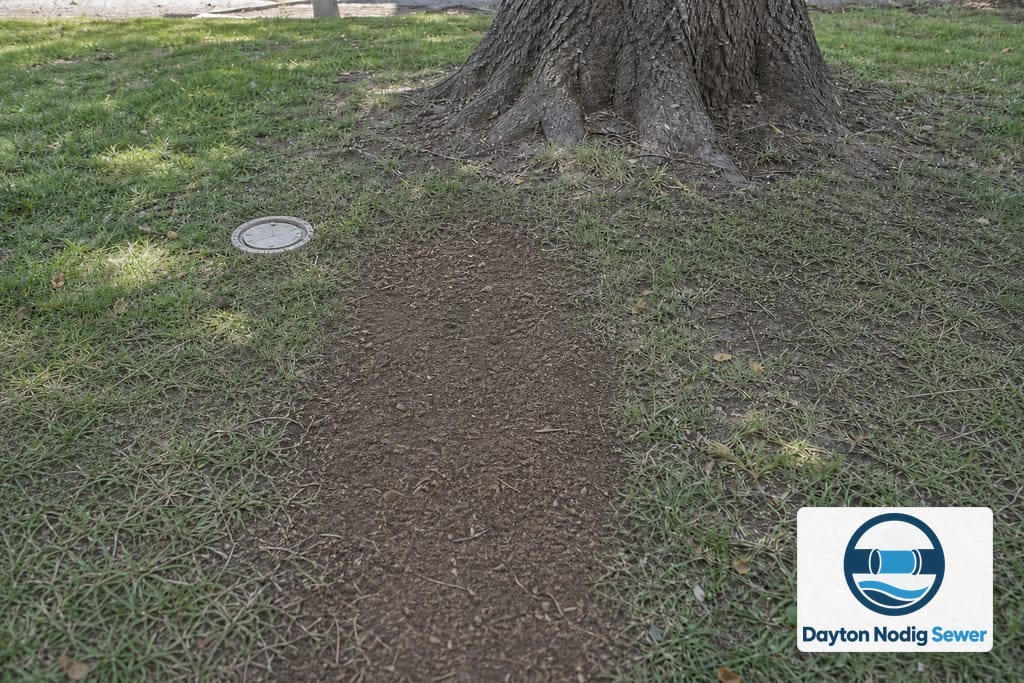
After
Next step
Get a Tree Root Removal Estimate in Dayton
Call Dayton Nodig Sewer at (937) 930-4168 for a free estimate on tree root removal, or reach out through our contact form.
More services
Other Trenchless Sewer Repair services
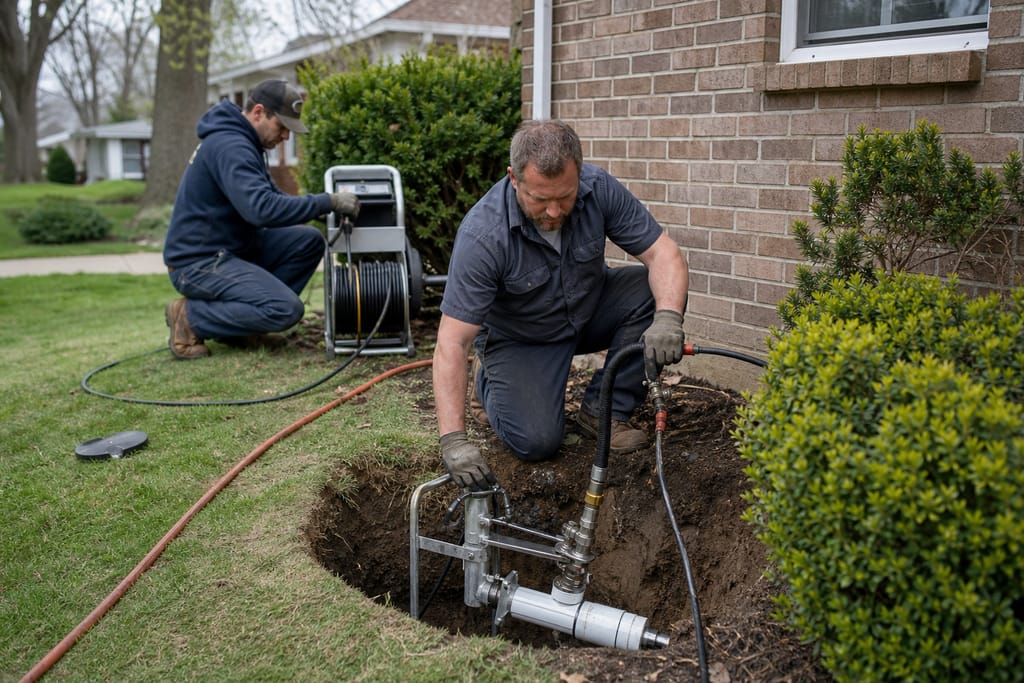
Trenchless Sewer Repair
Trenchless sewer repair in Dayton: camera-verified diagnosis, no-dig lining or bursting, free estimates.
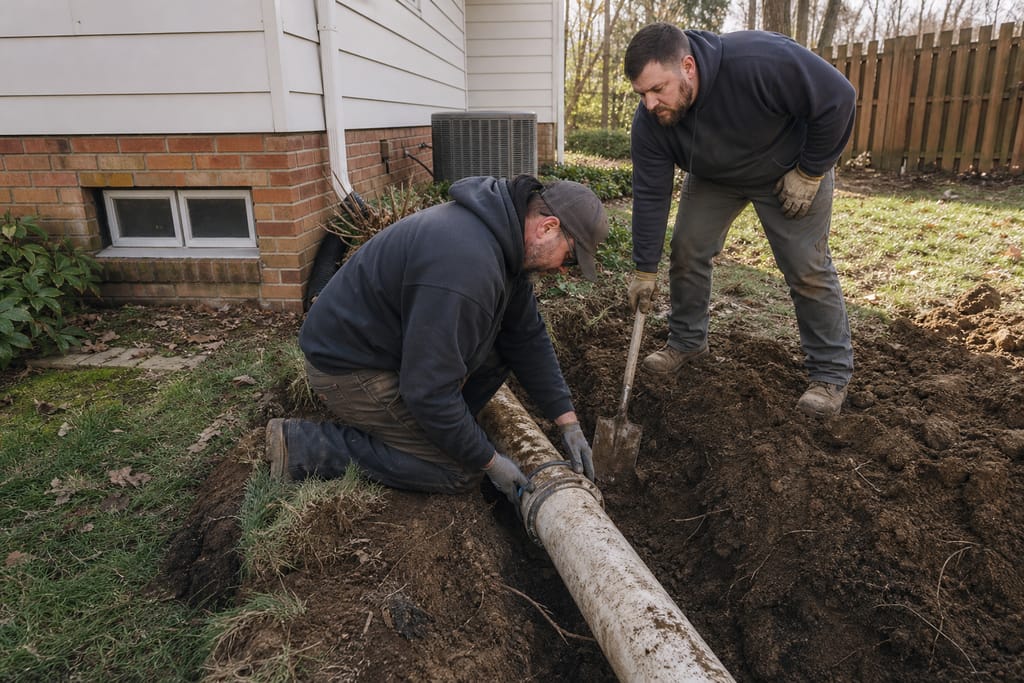
Sewer Line Repair
Trenchless sewer line repair in Dayton, OH for cracked joints and spot damage. Camera-verified diagnosis, no full-yard excavation, free estimates.
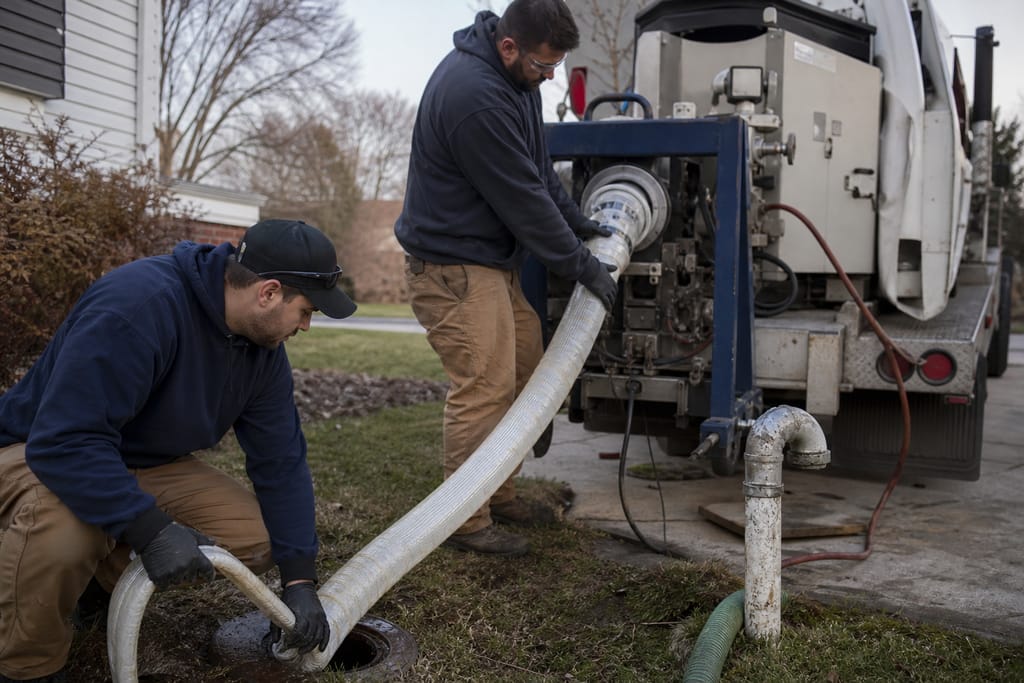
CIPP Pipe Lining
CIPP pipe lining in Dayton, OH restores clay and Orangeburg sewer lines without digging. Camera-verified, cured-in-place, free estimates available.
Ask about Tree Root Removal (Sewer Lines)
Tell us about the project and how to reach you.