Dayton Nodig Sewer
CIPP Pipe Lining in Dayton, OH
CIPP pipe lining in Dayton, OH restores clay and Orangeburg sewer lines without digging. Camera-verified, cured-in-place, free estimates available.
- 15+ Years local experience
- 500+ Projects completed
- Licensed & Insured
Serving Dayton and nearby communities.
CIPP, cured-in-place pipe lining, inserts a resin-saturated liner into the existing sewer line and cures it into a smooth new pipe wall inside the old one. It's the method Dayton Nodig Sewer reaches for most often on clay and Orangeburg laterals, which make up a lot of the lateral pipe under Dayton's older housing stock.
Lining works when the host pipe still holds its shape, just cracked, root-split, or corroded on the inside. If the pipe has collapsed or shifted out of alignment, bursting or replacement is the better call, and we'll tell you that straight during the camera inspection rather than push a liner where it won't hold.
What's included
What's Included with CIPP Pipe Lining
Typically included: pipe cleaning, camera inspection, liner measurement and saturation, liner insertion and cure, final camera verification.
Optional: cleanout installation at the access point, root treatment before lining.
Customer prep: keep the access point area clear and avoid running water through the line during the cure window.
Want a clearer scope?
Get a Free EstimateHow it works
How Our CIPP Pipe Lining Process Works
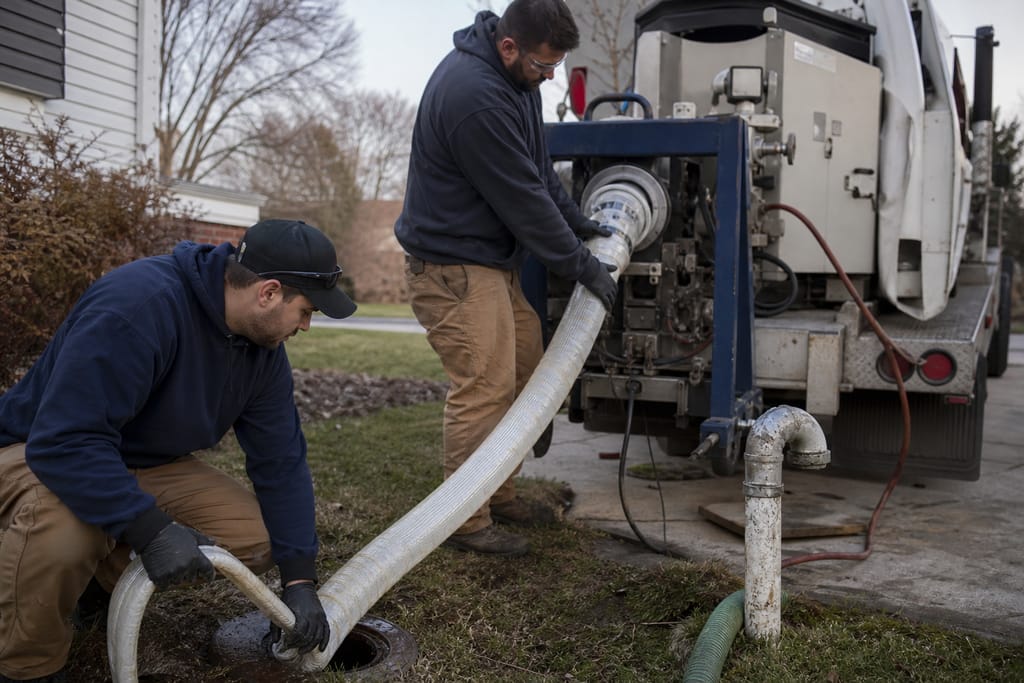
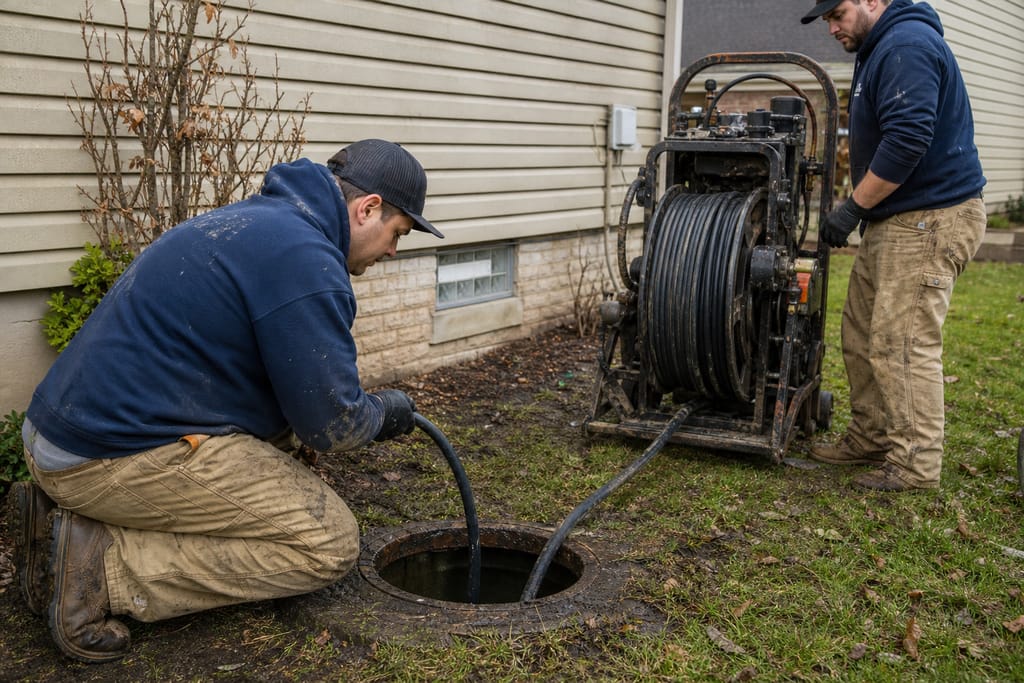 Step 1
Pipe Cleaning
The existing line is cleaned to bare pipe wall to prep for lining.
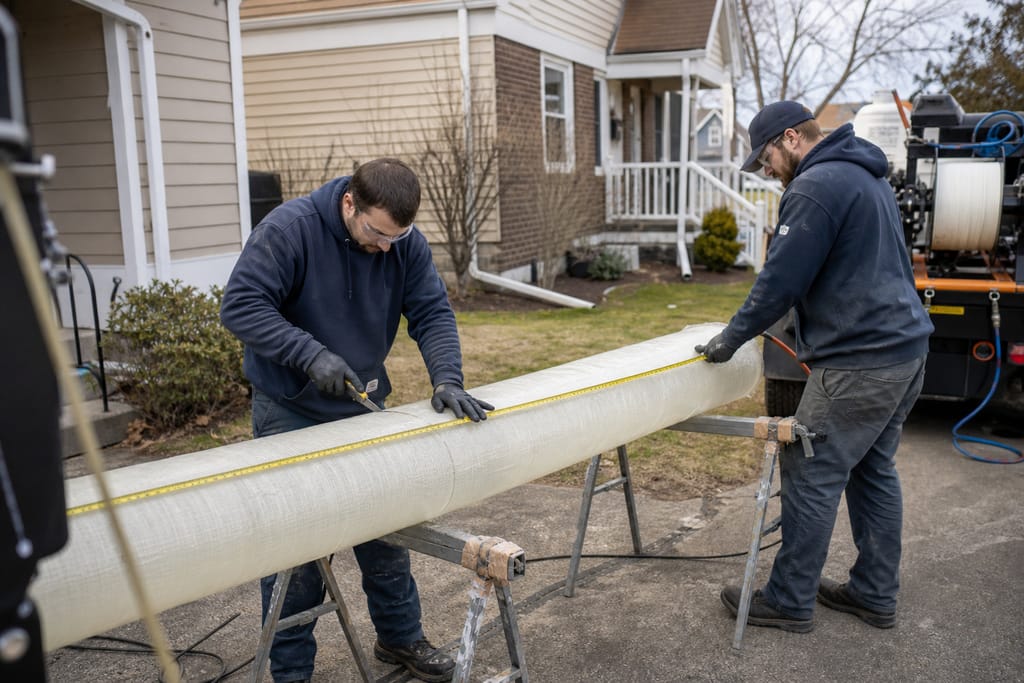 Step 2
Liner Measurement
The liner is cut to the exact length and diameter of the run.
 Step 3
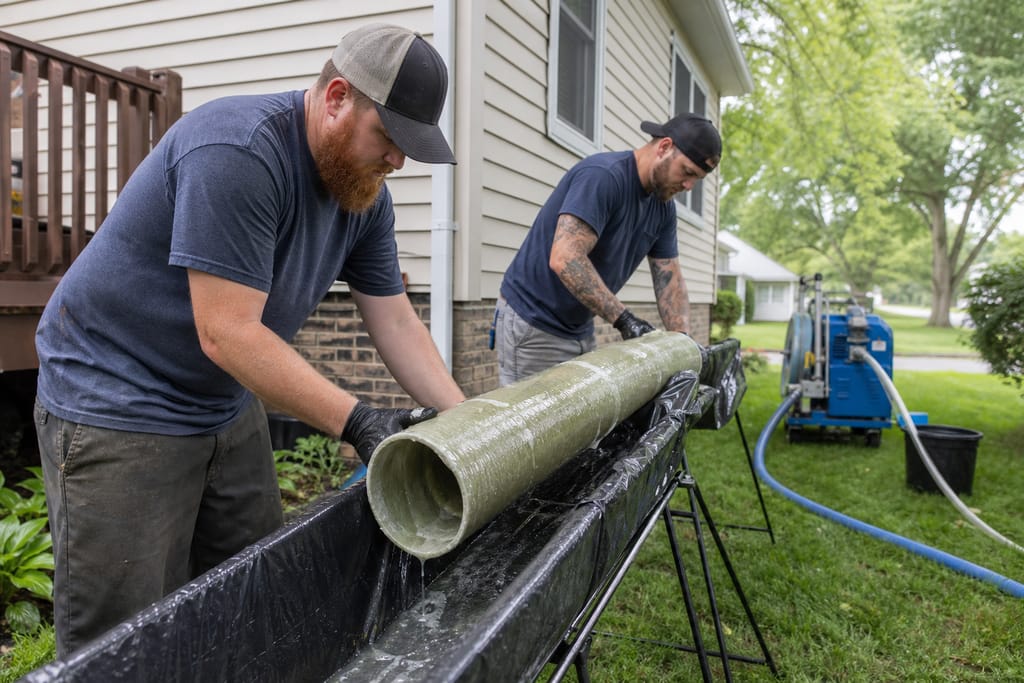
Resin Saturation
The liner tube is saturated with resin ahead of insertion.
 Step 4
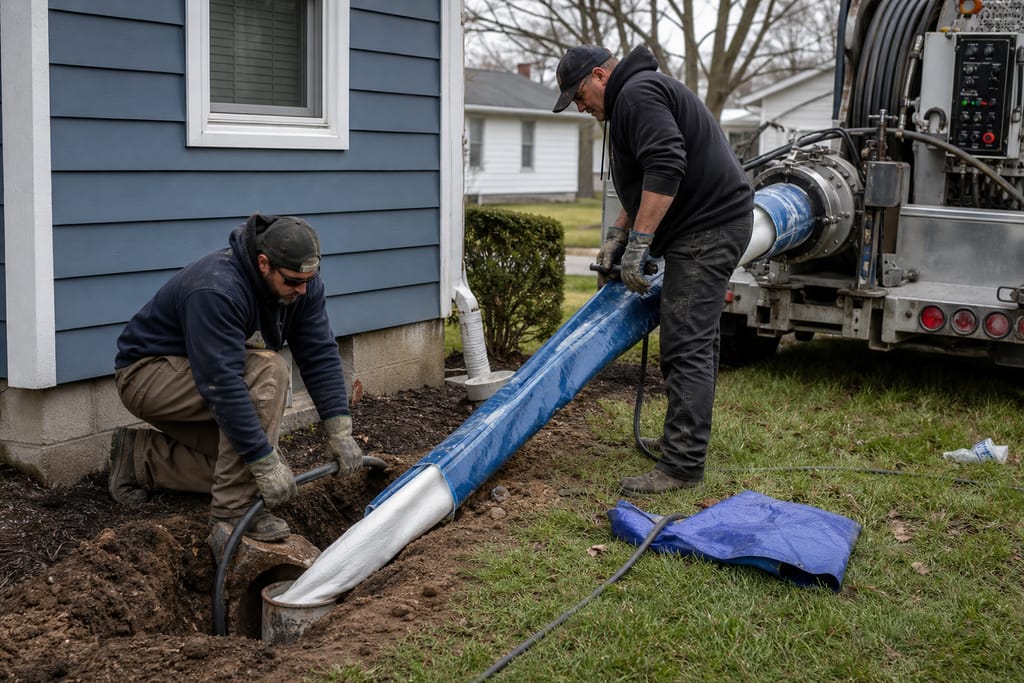
Liner Insertion
The saturated liner is pulled or inverted into the host pipe.
 Step 5
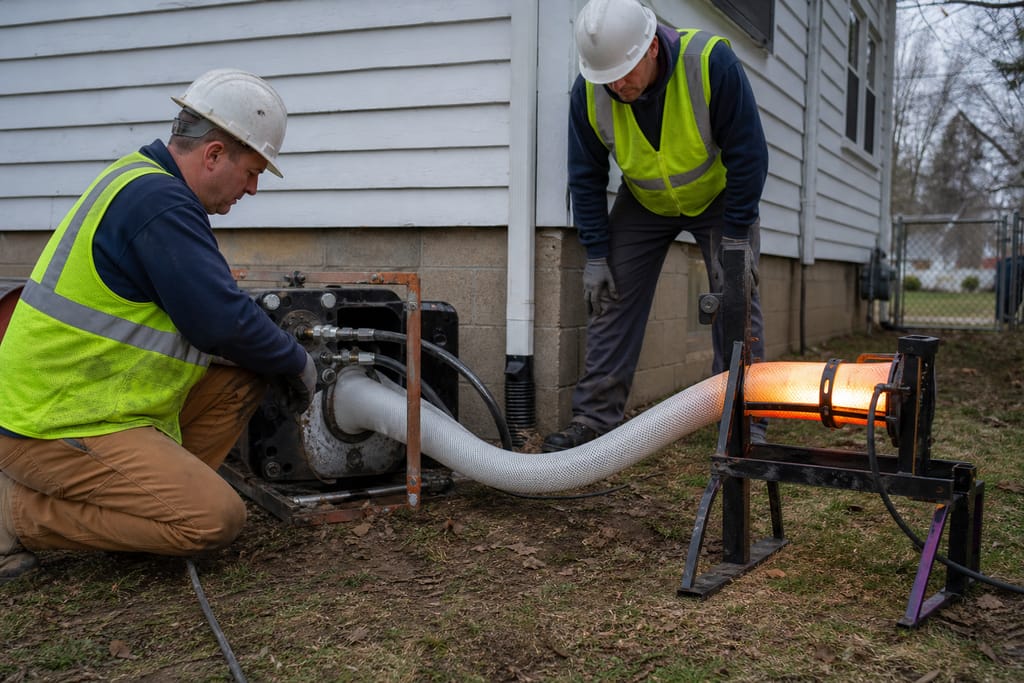
Curing Process
Heat, UV, or ambient curing hardens the liner into a solid new wall.
 Step 6
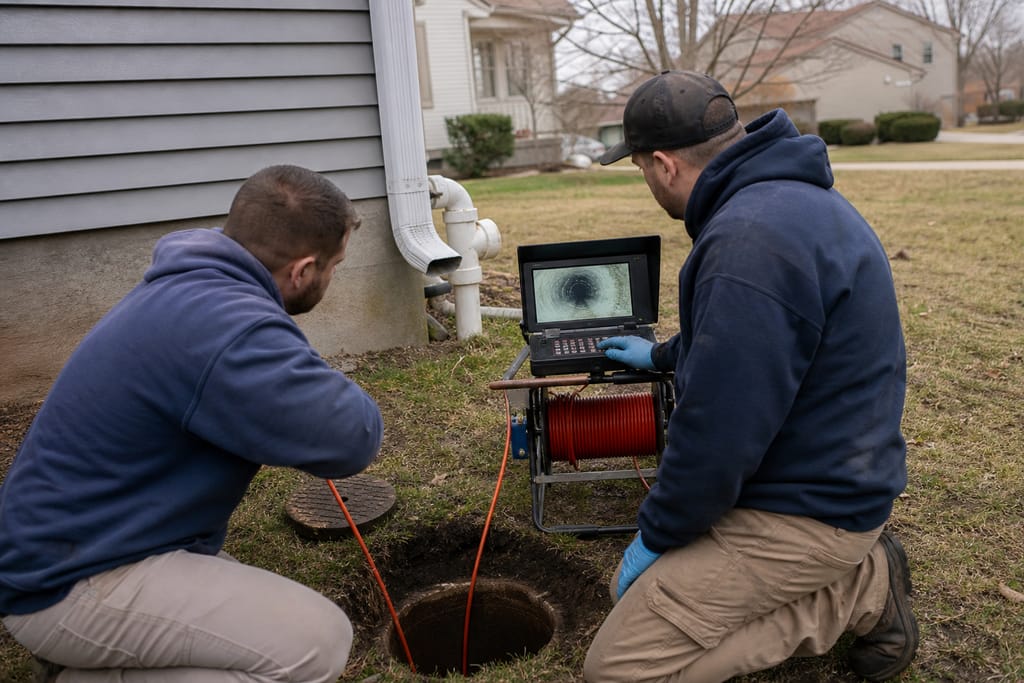
Final Inspection
A camera pass confirms a smooth, fully bonded liner.
Materials
Materials and Methods for CIPP Pipe Lining
Dayton's freeze-thaw winters and older clay pipe make a strong resin bond essential, not optional.
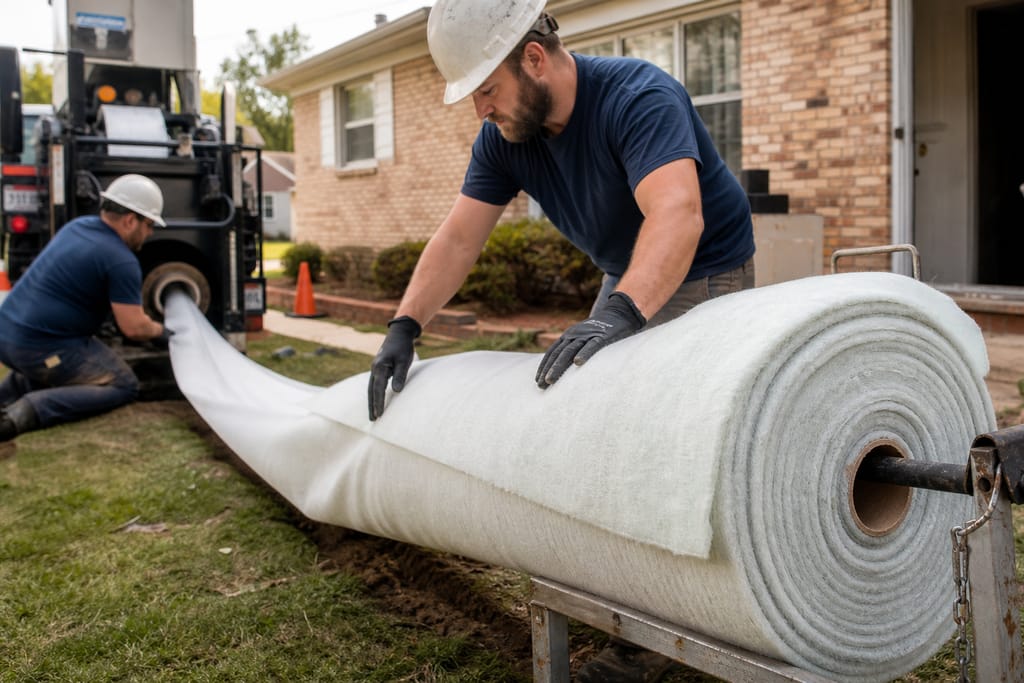
Felt Liner Tubes
The felt base gives the liner its structural strength once saturated and cured, standing in as the new interior pipe wall.
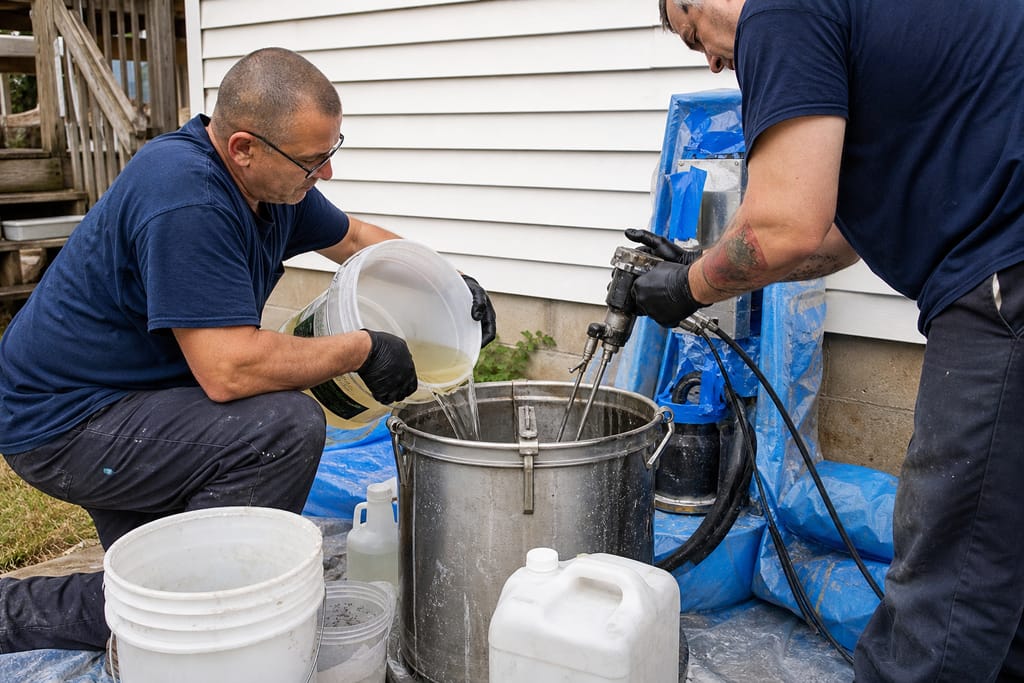
Epoxy Resin Blends
Resin formulated for strength and chemical resistance holds up against the groundwater infiltration common in Dayton's older clay laterals.
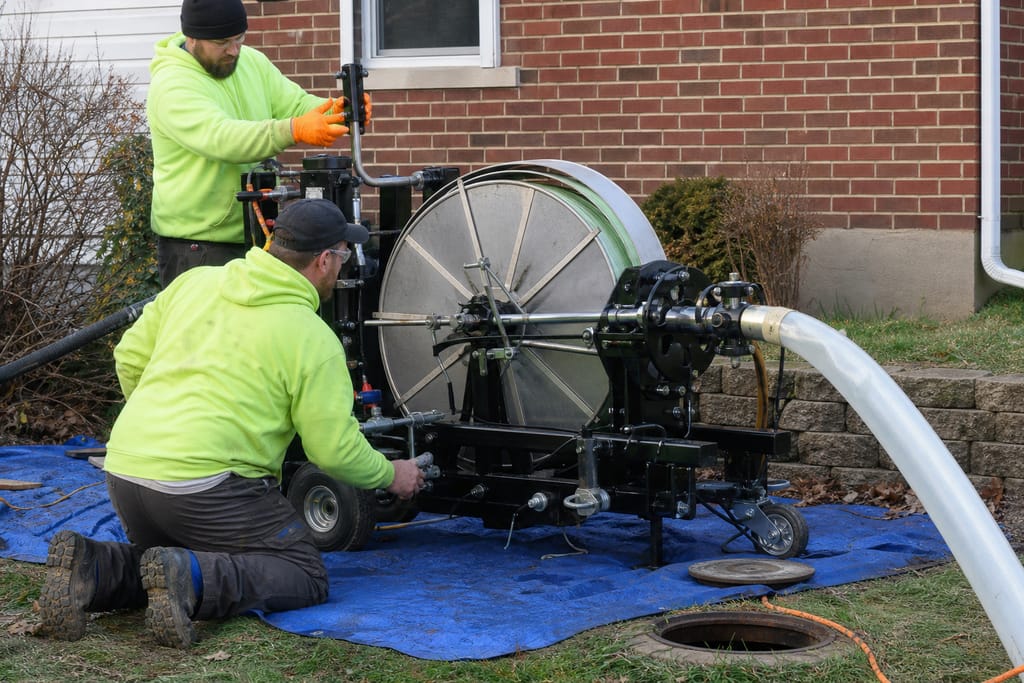
Inversion Equipment
Inversion drums turn the liner right-side out as it's installed, seating it tight against the host pipe without a trench.
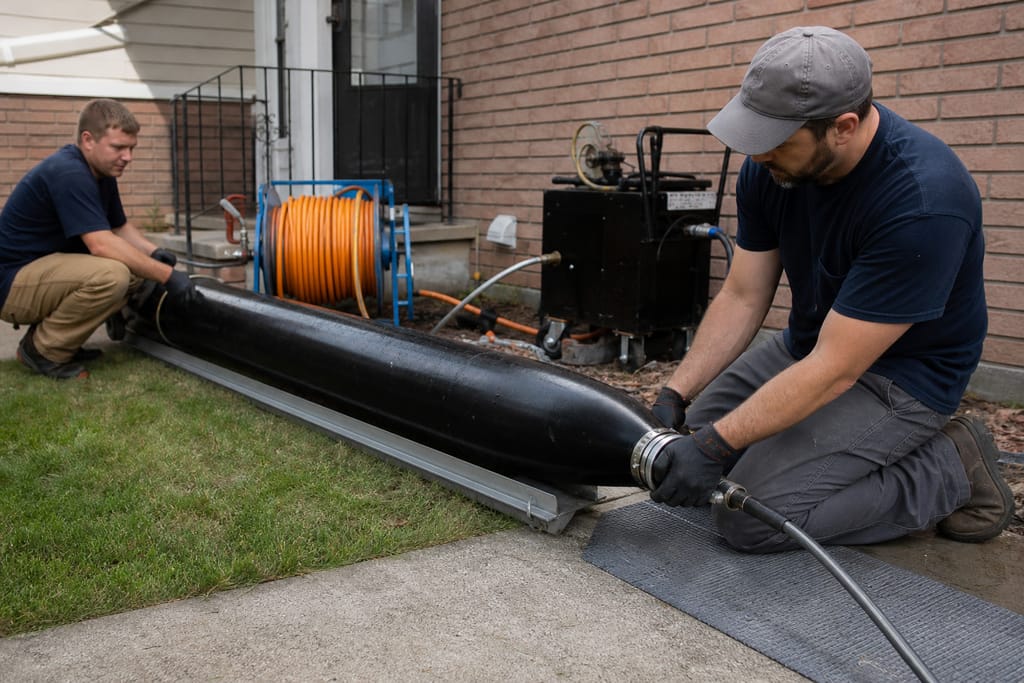
Calibration Tubes
These press the liner firmly to the pipe wall while it cures, keeping the finished diameter consistent.
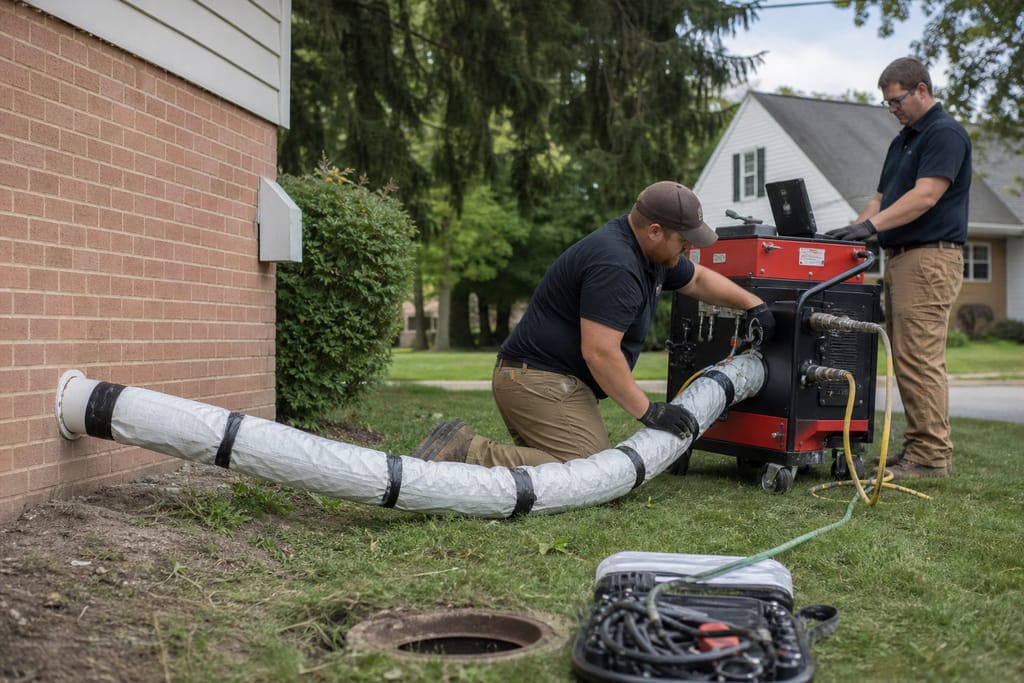
Heat Curing Units
Controlled heat speeds the cure so the line is back in service faster.
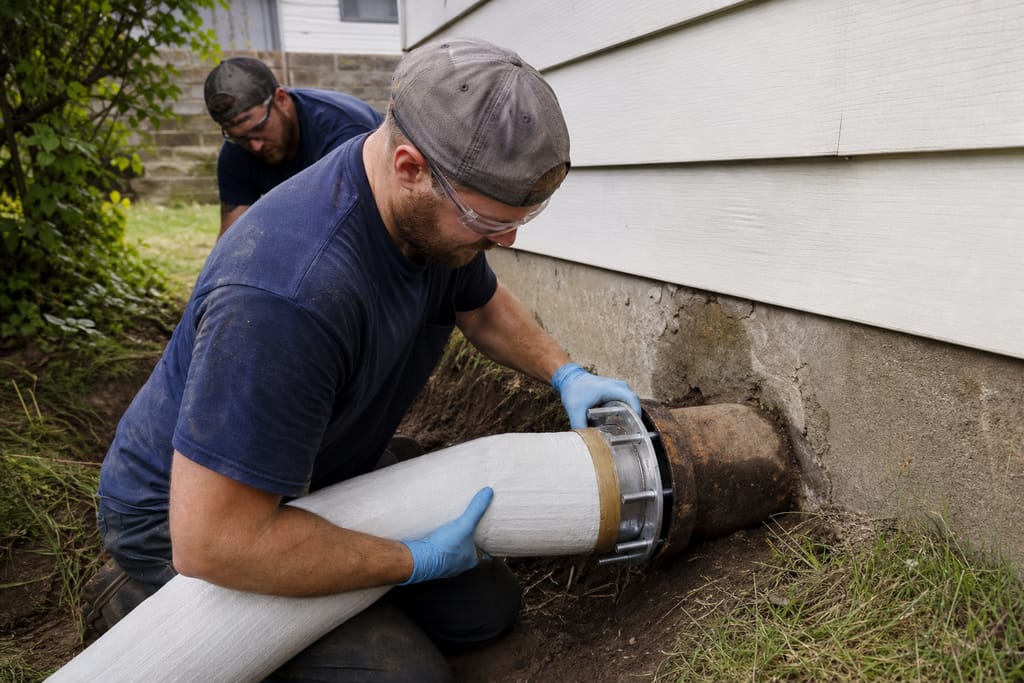
End Seal Fittings
Finishing fittings create a watertight transition where the liner meets the original pipe, important where lateral ties connect.
Questions on materials?
Get a Free EstimateWhen to call
When to Call for CIPP Pipe Lining
Call Dayton Nodig Sewer for a camera inspection first; lining only makes sense once we've confirmed the pipe is a good candidate.
- The camera shows cracked or root-split clay joints along the run but the pipe shape itself is intact.
- You've had repeat root intrusion in the same spot despite cutting roots out before.
- An older home inspection flagged deteriorating clay or Orangeburg pipe before closing.
Seeing warning signs?
Get a Free EstimateFAQs
CIPP Pipe Lining FAQs
Will lining work on clay or Orangeburg pipe?
Lining is a common fix for clay and Orangeburg laterals as long as the pipe hasn't collapsed. The resin liner creates a new structural wall inside the old one.
How long does CIPP lining take from start to finish?
Most residential lining jobs finish in a single day including cure time, though cure length depends on liner thickness and the curing method used.
What's the lifespan of a liner?
A properly installed and cured liner is built to last for decades, performing like a new pipe inside the old one.
Does lining require digging up my yard?
Lining uses the existing access point or a small entry pit, not a trench along the whole pipe run.
What's the difference between lining and pipe bursting?
Lining installs a new wall inside the existing pipe. Bursting fractures the old pipe outward while pulling a brand new pipe through, which is used when the old pipe is too damaged for lining.
Before & after
Before and After CIPP Pipe Lining
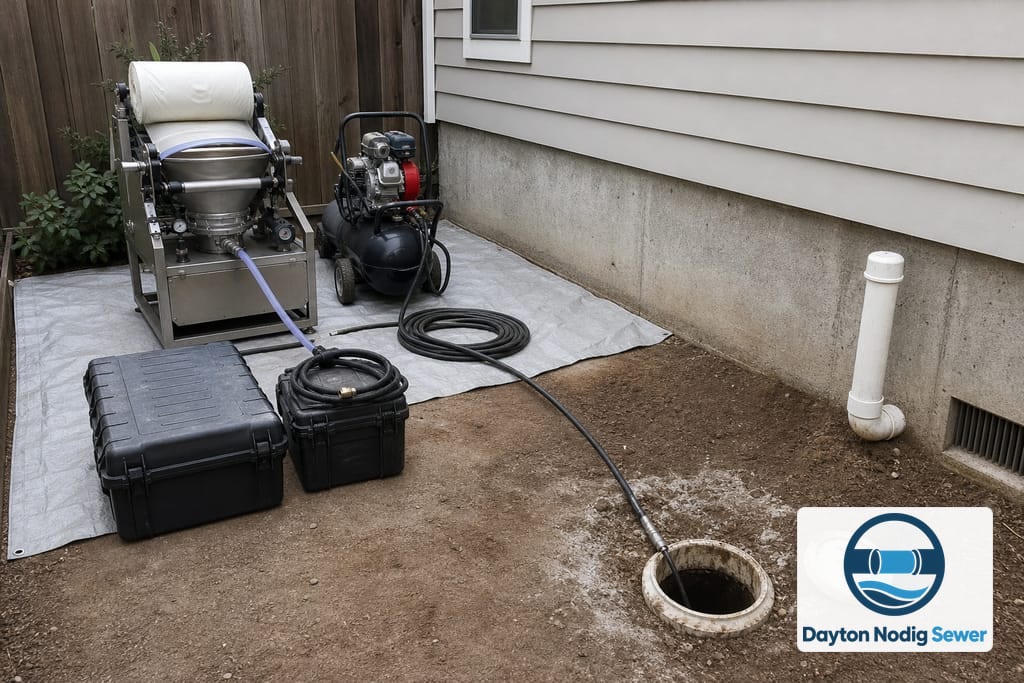
Before 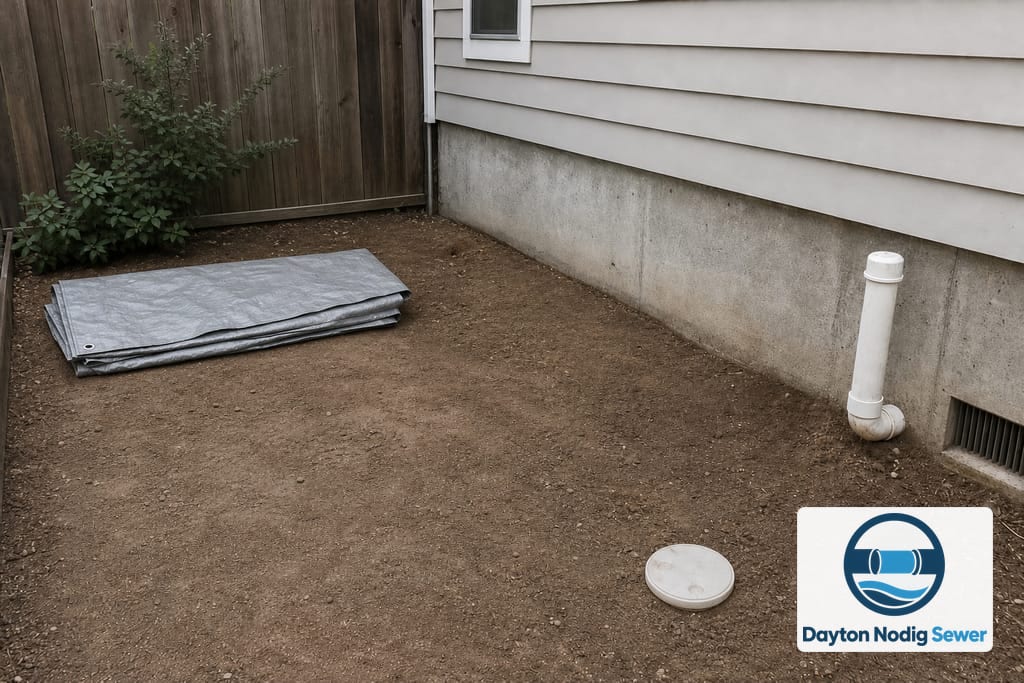
After
Next step
Get a CIPP Pipe Lining Estimate in Dayton
Call Dayton Nodig Sewer at (937) 930-4168 for a free estimate on CIPP pipe lining, or request one through our contact form.
More services
Other Trenchless Sewer Repair services
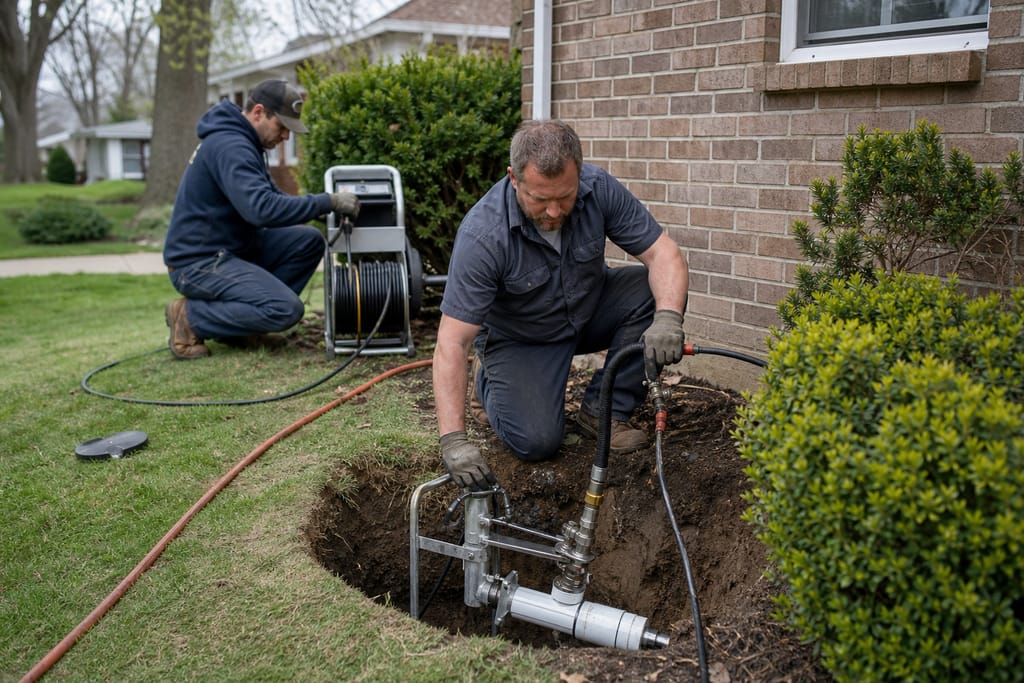
Trenchless Sewer Repair
Trenchless sewer repair in Dayton: camera-verified diagnosis, no-dig lining or bursting, free estimates.
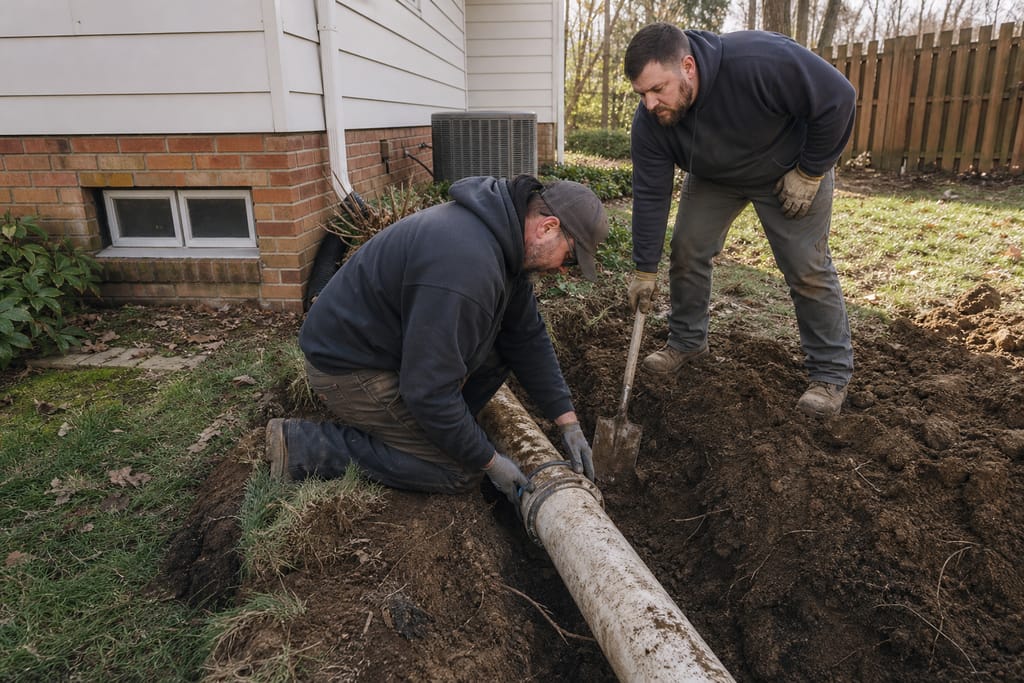
Sewer Line Repair
Trenchless sewer line repair in Dayton, OH for cracked joints and spot damage. Camera-verified diagnosis, no full-yard excavation, free estimates.
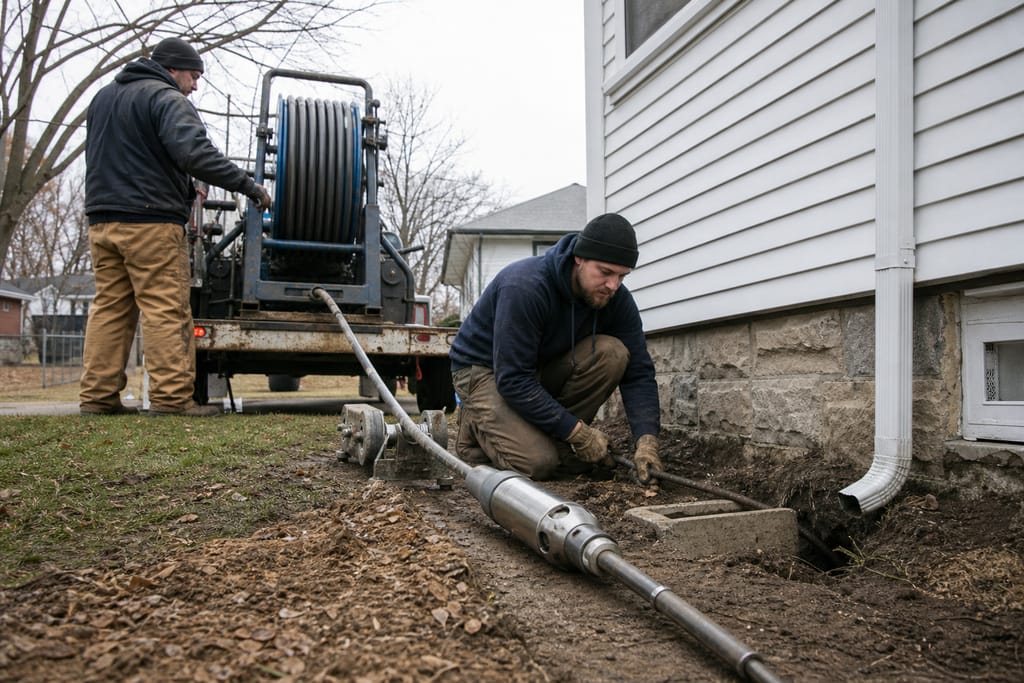
Pipe Bursting
Pipe bursting in Dayton, OH replaces collapsed sewer lines with new HDPE pipe through two small access pits, no full trench, free estimates.
Ask about CIPP Pipe Lining
Tell us about the project and how to reach you.